









Differences Between AHU and PAU: How To Select The Right Equipment For Your Facility
Contents/ Mục Lục
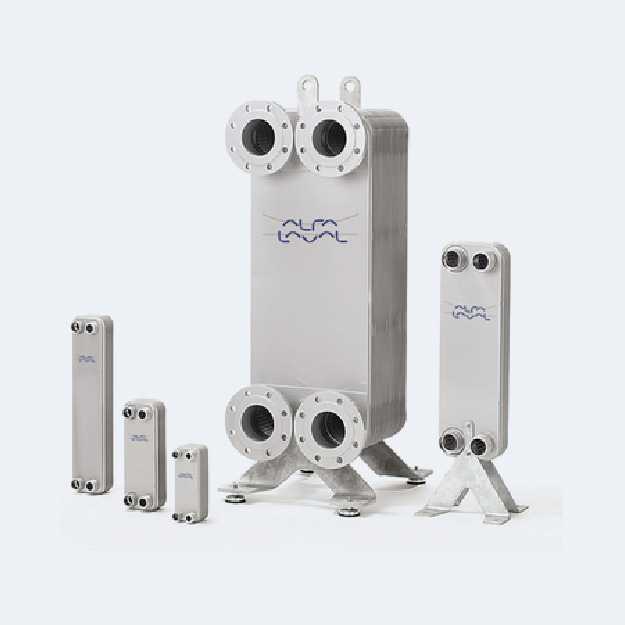
In building services engineering (MEP), industrial manufacturing plants, commercial HVAC systems, and renewable energy lines, gasketed plate heat exchanger (GPHE) play a vital role as the “heart” of thermal energy transfer. Understanding their construction, operating principles, and performance optimization methods empowers building owners and MEP engineers to effectively address energy-efficiency challenges, reduce operating expenses (OPEX), and meet green building standards.
This article provides an in-depth technical analysis of gasketed plate heat exchanger technology, examines critical engineering factors, and shares operational longevity strategies from industry-leading experts.
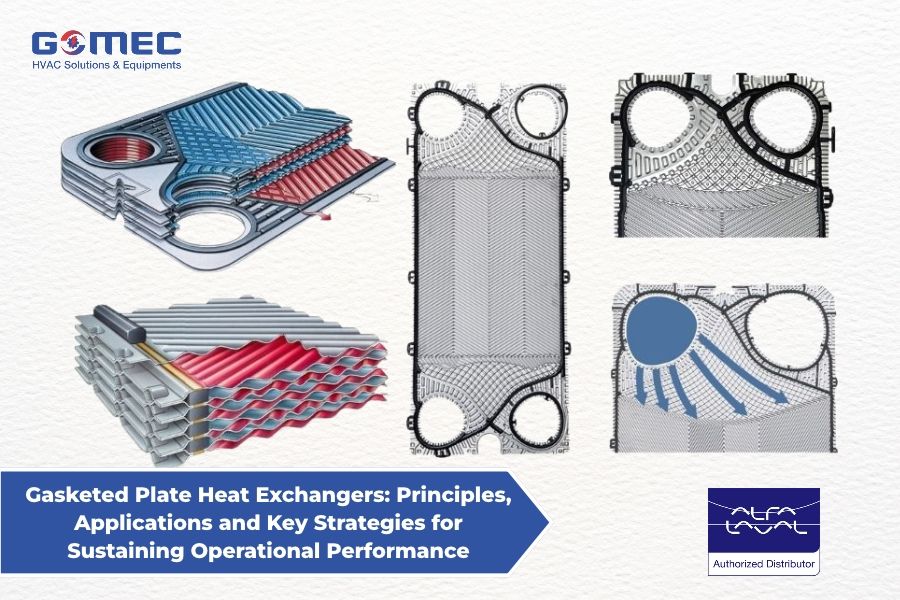
Overview of gasketed plate heat exchanger (GPHE) in industrial applications
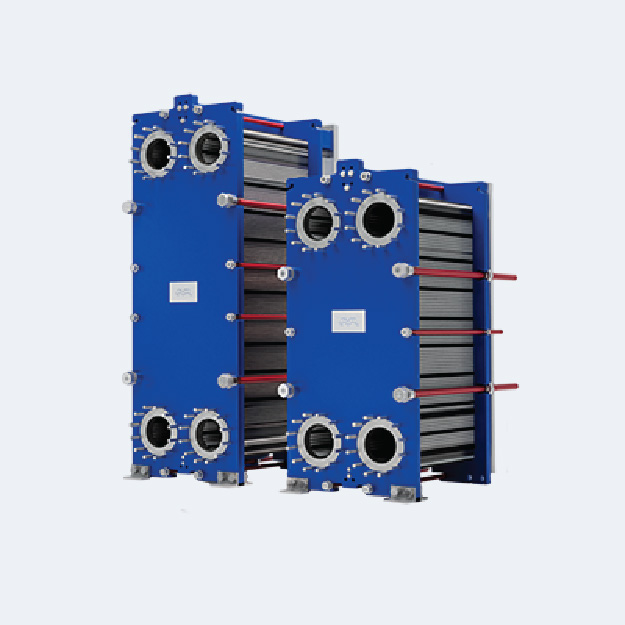
Basic construction of a gasketed plate heat exchanger (GPHE)
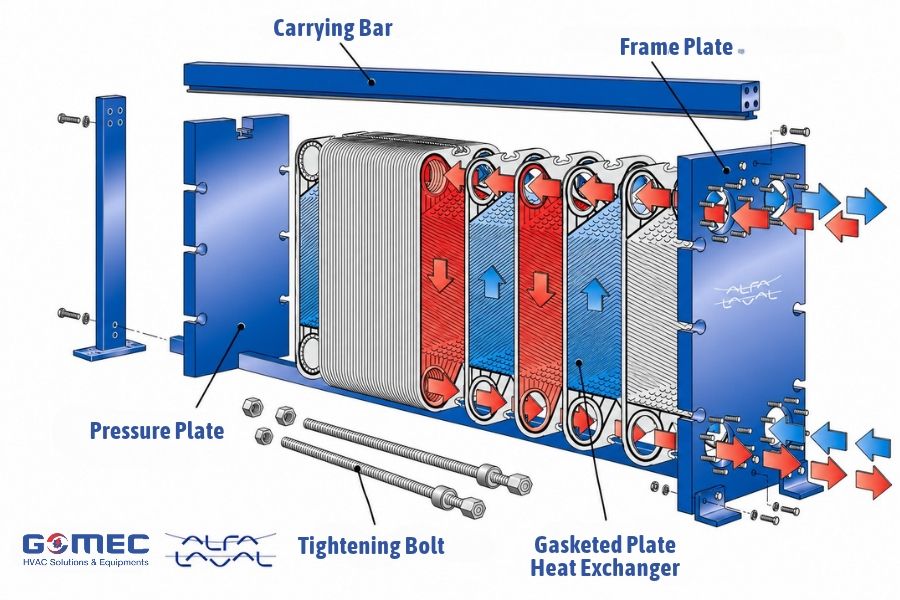
A standard engineering-grade gasketed plate heat exchanger (GPHE) is primarily composed of the following key components:
Frame: Fabricated from heavy-duty carbon steel or epoxy-coated steel to withstand high operating pressures.
>Heat Transfer Plates: Pressed with corrugated patterns using high-grade corrosion-resistant materials, such as stainless steel (AISI 304, AISI 316), Titanium, or SMO.
Sealing Gaskets: Molded around the perimeter of the heat transfer plates, made from specialized engineering elastomers such as NBR, EPDM, Viton, etc. Gaskets prevent inter-fluid leakage and channel the fluid streams.
Tightening Bolts & Tie Rods: Compress the plate pack firmly between the fixed frame plate and the movable pressure plate according to specified torque values.
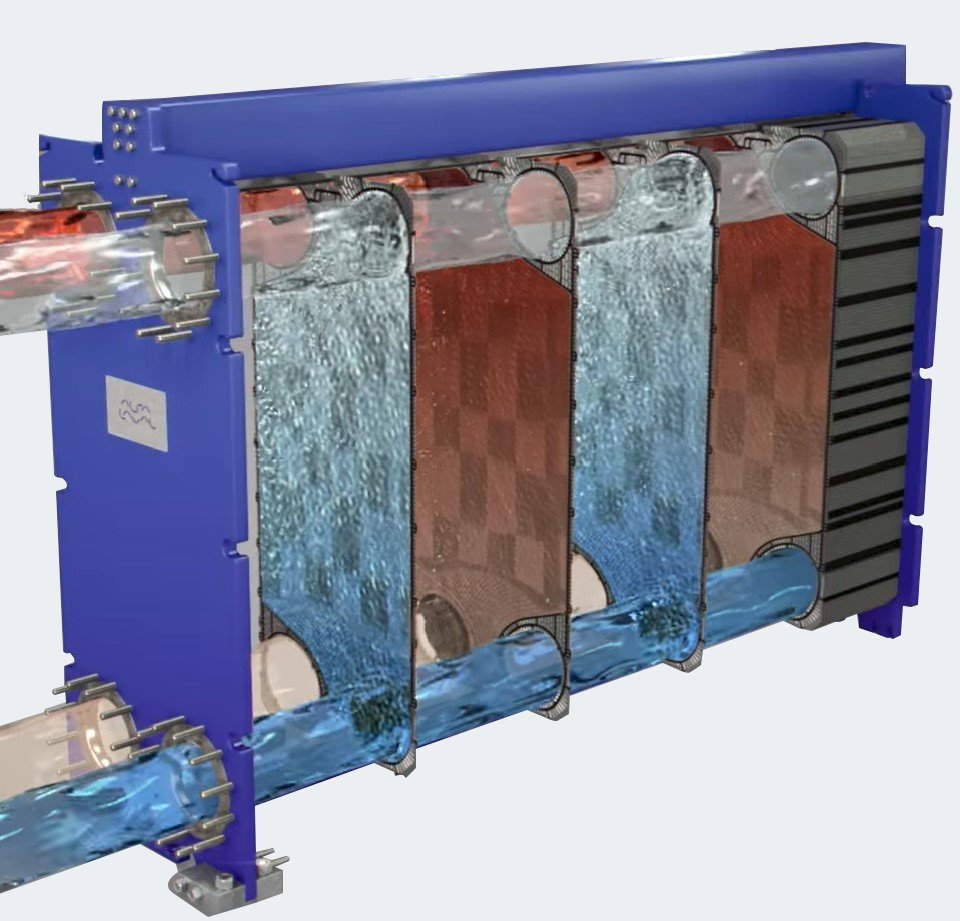
Counter-current flow operating principle
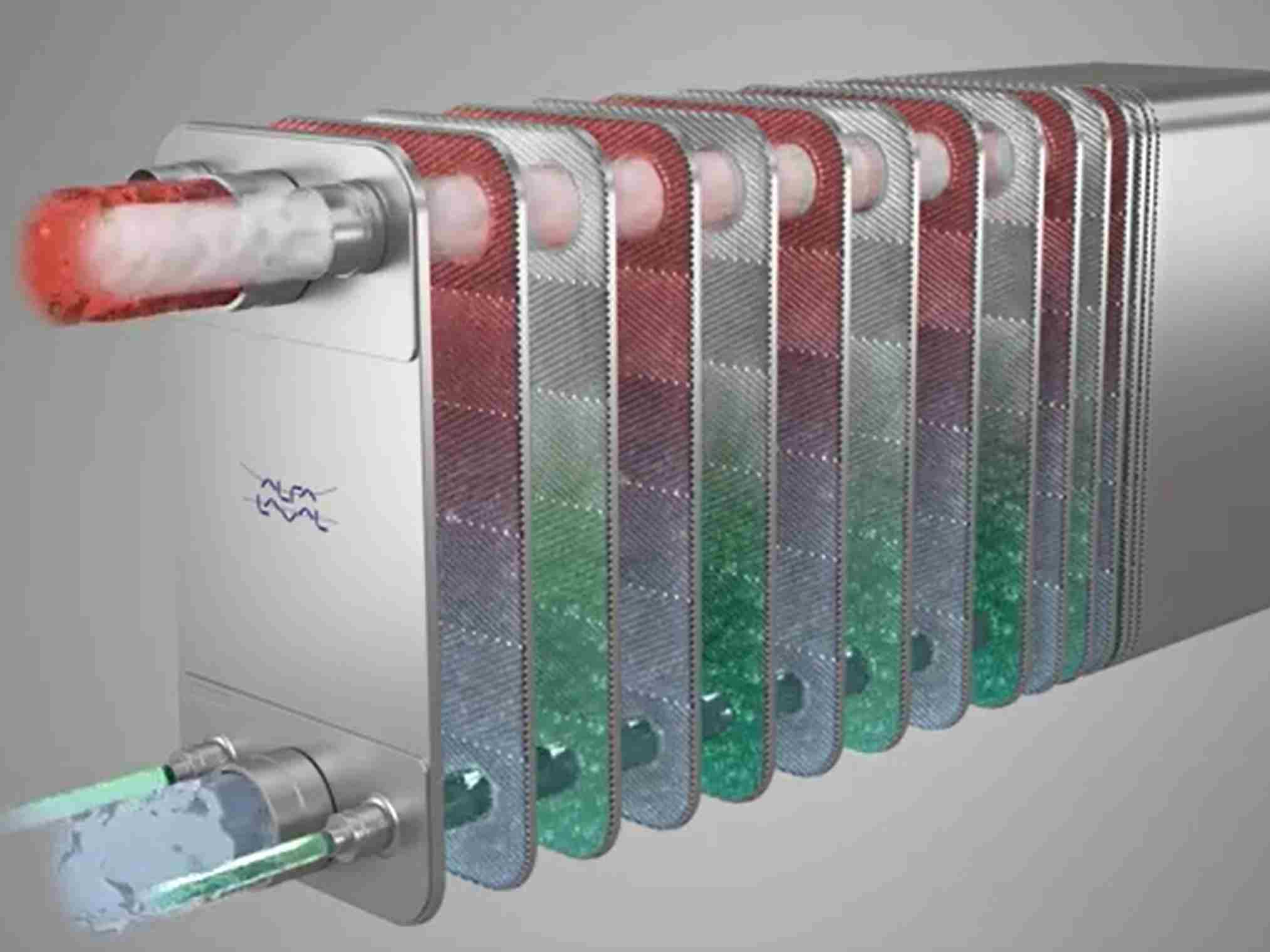
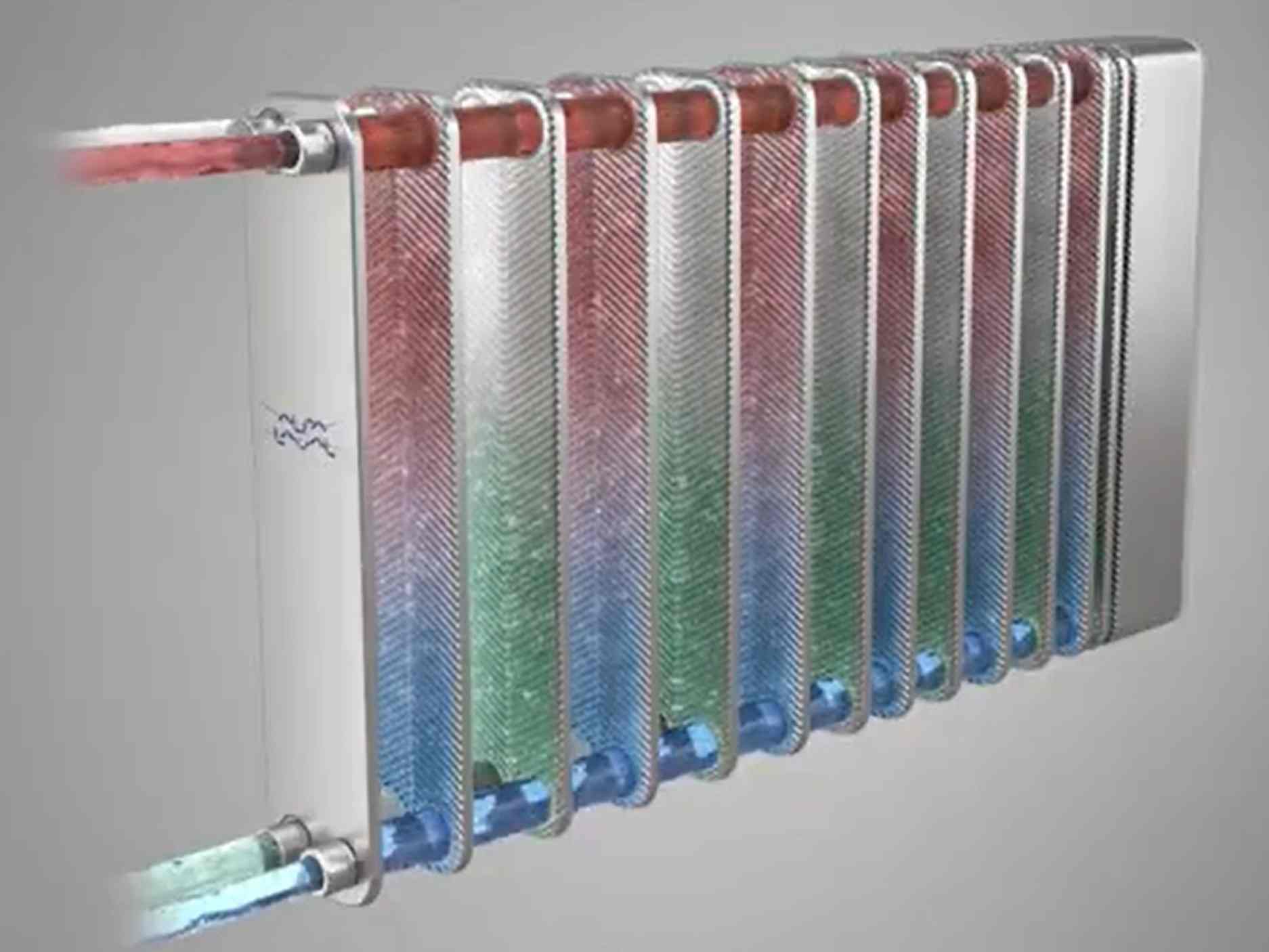
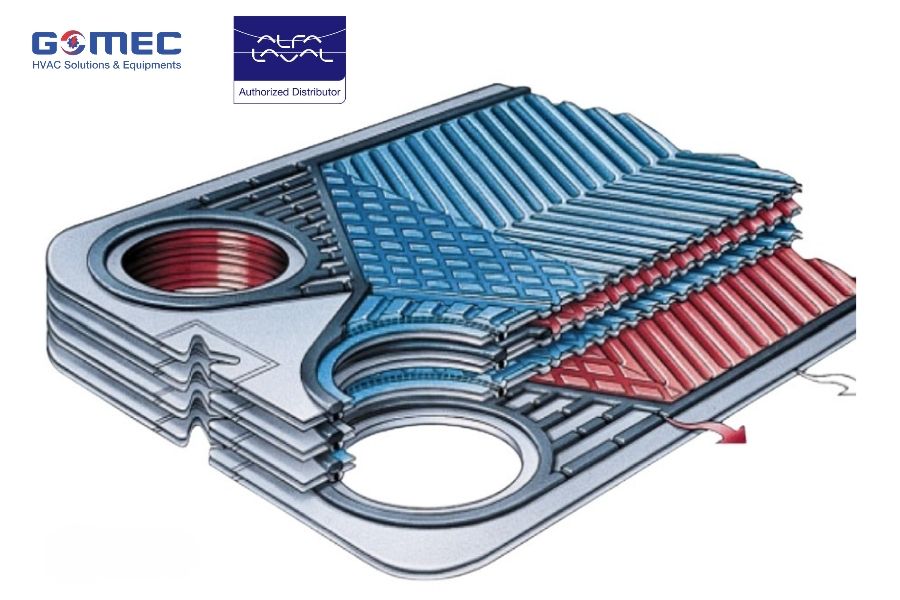
The unit operates on the principle of indirect heat transfer between two fluids at different temperatures through thin metal plates without direct fluid mixing. The hot and cold media flow through alternating channels formed between adjacent heat transfer plates. The corrugated pattern on the plate surface induces turbulent flow even at low fluid velocities, significantly boosting the overall heat transfer coefficient compared to traditional shell-and-tube exchangers.
>> Read more: Heat Recovery Solutions Help Businesses Achieve Sustainable Operations
Selection criteria for plate and gasket materials
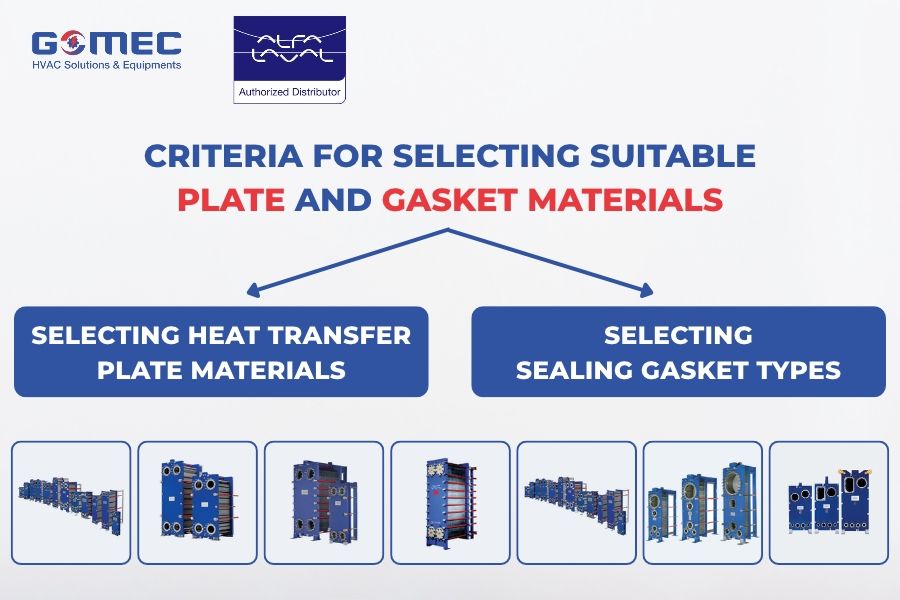
The thermal efficiency and service life of a gasketed plate heat exchanger heavily depend on selecting the correct materials compatible with the fluid chemistry, operating temperature, and pressure conditions.
Selecting heat transfer plate materials
Stainless Steel (AISI 304 / AISI 316): Ideal for potable water, cooling water, and general process water in HVAC and light industrial systems.
Titanium: The optimal choice for highly corrosive environments such as seawater, concentrated chemicals, desalination systems, or industrial wastewater treatment plants.
SMO / Hastelloy: Engineered for aggressive chemical processes and elevated operating temperatures.
Selecting sealing gasket elastomers
Gaskets must withstand operating pressure while offering chemical and thermal compatibility with the process fluid:
NBR (Nitrile Rubber): Suitable for water, mineral oils, and hydrocarbons at moderate operating temperatures (typically below 100°C).
EPDM: Excellent resistance to hot water, high-temperature saturated steam, dilute acids, and alkalis (temperature rated up to 150°C). Widely recommended for water/glycol HVAC loops.
Viton (FKM): Designed specifically for aggressive chemicals and high-temperature thermal oils.
Strategies for sustaining long-term thermal efficiency in GPHE units
During extended operation, issues such as bio-fouling, mineral scaling, and gasket degradation are inevitable. To maintain peak heat transfer rates and avoid unexpected downtime, engineers should focus on the following key operational strategies:
Monitoring pressure differential
Continuous monitoring of pressure drop across the exchanger serves as an early indicator of fouling or channel blockage. When the differential pressure exceeds manufacturer-recommended thresholds, timely inspection and cleaning must be performed.
Implementing cleaning-in-place (CIP) systems
Rather than consuming significant time dismantling the entire plate pack, Cleaning-in-Place (CIP) technology circulates specialized cleaning chemicals through the exchanger to dissolve and flush out scale deposits, calcium buildup, or bio-fouling. CIP offers a quick, safe cleaning solution without damaging the metal plate surfaces or elastomeric gaskets.
Conducting periodic inspections and condition assessments (VCA)
Visual Condition Assessment (VCA): Evaluates external mechanical integrity and predicts remaining gasket lifespan to enable proactive replacement scheduling.
Overall Thermal Performance Audit: Compares real-time temperature data against design specifications to pinpoint the exact timing for maintenance, avoiding premature maintenance expenses or delayed interventions that impair system output.
Genuine gasketed plate heat exchanger solutions from Gomec Vietnam

To achieve maximum system efficiency and ensure reliable operation throughout the project lifecycle, selecting genuine equipment from reputable global manufacturers is paramount.
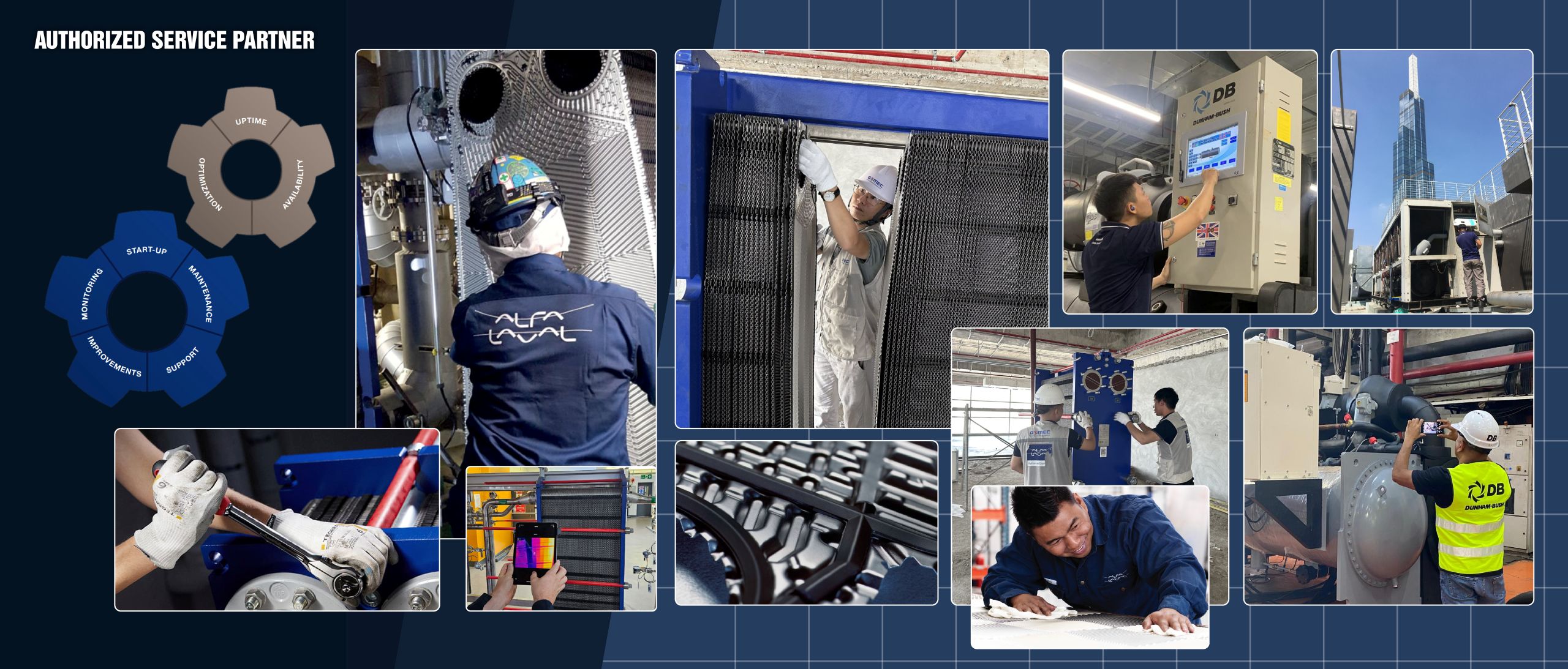
In Vietnam, Gomec Vietnam Mechanical and Electrical Joint Stock Company is proud to be the official authorized distributor of high-performance heat exchanger products from Alfa Laval (Sweden)—a global leader with over 140 years of expertise in thermal transfer and fluid handling technologies.
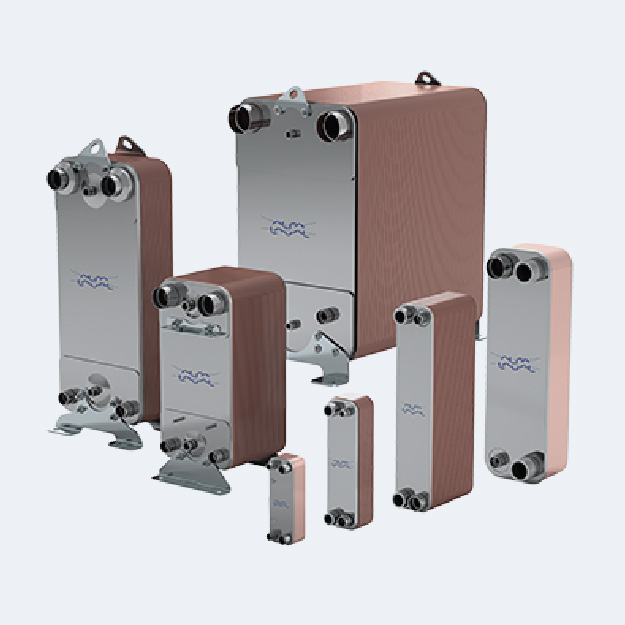
100% Genuine Products: Full range of Gasketed Plate Heat Exchangers (GPHE), Brazed Heat Exchangers (BHE/FHE), and perfectly compatible OEM spare parts.
In-Depth Technical Support: Highly experienced engineering teams providing design consultation, optimal sizing, and selection for HVAC systems, textile dyeing plants, food & beverage processing, pharmaceuticals, and data centers.
Comprehensive Energy-Saving Solutions: Maximize heat transfer coefficients, minimize power consumption, and fully satisfy stringent green building standards (LEED, ESG).
>> Read more: How to Maintain Stable Heat Transfer Efficiency Over Time
Conclusion
Properly investing in and operating gasketed plate heat exchangers (GPHE) not only ensures peak heat transfer performance for commercial buildings and industrial plants, but also serves as a strategic solution for reducing energy bills, eliminating downtime risks, and fulfilling sustainable growth targets (LEED/ESG). Contact Gomec Vietnam today for authentic equipment supply and expert technical consultation tailored to your project!



Related Post

Heat Recovery Solutions Help Businesses Achieve Sustainable Operations


HVAC System Maintenance for Stable Performance and Long-Term Operation

Principle of Plate Heat Exchangers in Industrial Applications

Gomec Vietnam Officially Joins the Business Committee of the Vietnam Society of Refrigeration and Air-Conditioning Engineers

Understanding Water Cooled Chiller System from A to Z