







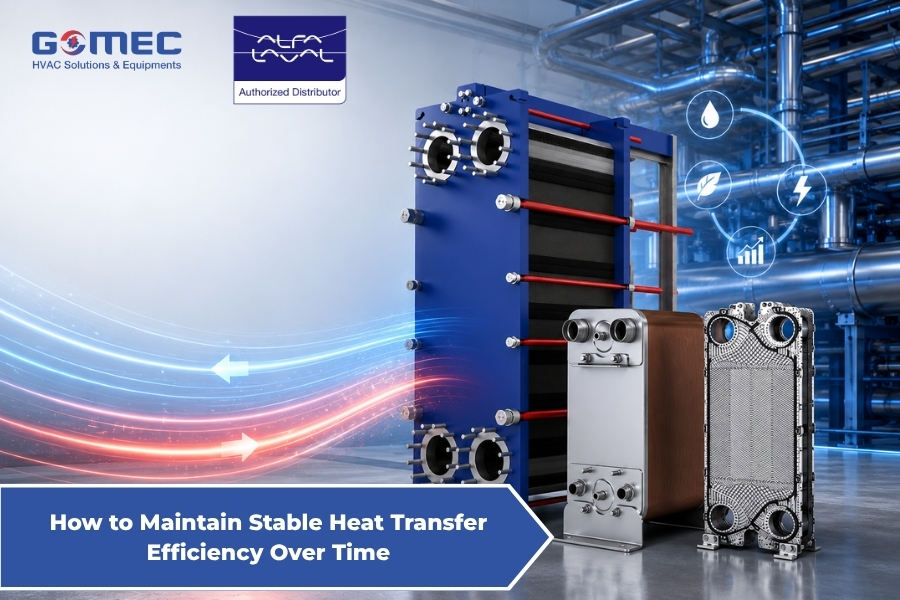
How to Maintain Stable Heat Transfer Efficiency Over Time
Contents/ Mục Lục
- Choosing the Right Equipment Helps Maintain Heat Transfer Efficiency
- Select the Right Heat Exchanger for Each Application
- Prioritize Equipment with an Optimized Design
- Choose Durable Materials
- Modern Technologies Enhance Heat Transfer Efficiency
- Optimized Plate Design Improves Fluid Distribution
- Integrating Energy Recovery Solutions
- Real-Time Monitoring with Automated Control Systems
- Maintaining Heat Transfer Efficiency Delivers Long-Term Benefits
- Reduce Operating and Maintenance Costs
- Improve System Reliability
- Support Sustainable Development Goals
- Conclusion
Heat transfer efficiency is a key factor that determines the performance of HVAC and industrial systems. When heat transfer performance declines, the system consumes more energy to deliver the same level of output. This not only increases operating costs but also shortens equipment service life. For this reason, maintaining stable heat transfer efficiency is a priority for project owners, consulting engineers and MEP contractors. With extensive expertise in HVAC and heat transfer technologies, Gomec provides Alfa Laval solutions that help businesses improve heat transfer performance, optimize energy use and ensure reliable long-term system operation.
Choosing the Right Equipment Helps Maintain Heat Transfer Efficiency
Maintaining heat transfer efficiency starts with selecting the right equipment, not just performing regular maintenance. Properly selected equipment enables the system to operate more efficiently and consistently over time. It also has a direct impact on both investment costs and long-term operating expenses.
Select the Right Heat Exchanger for Each Application
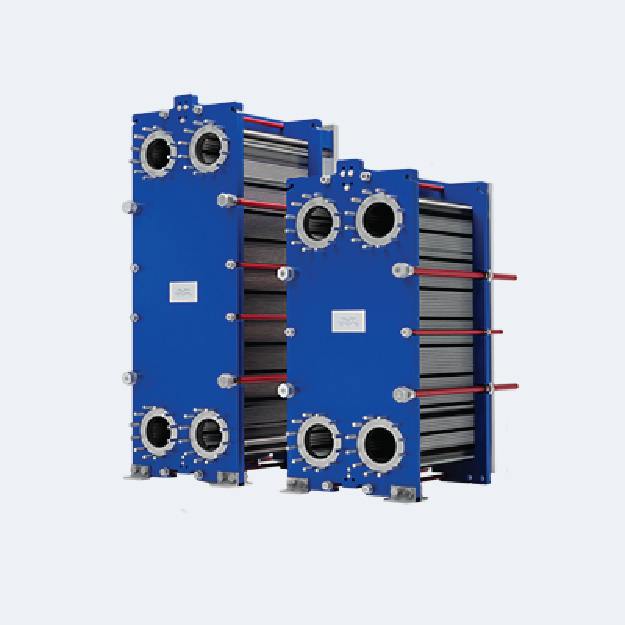
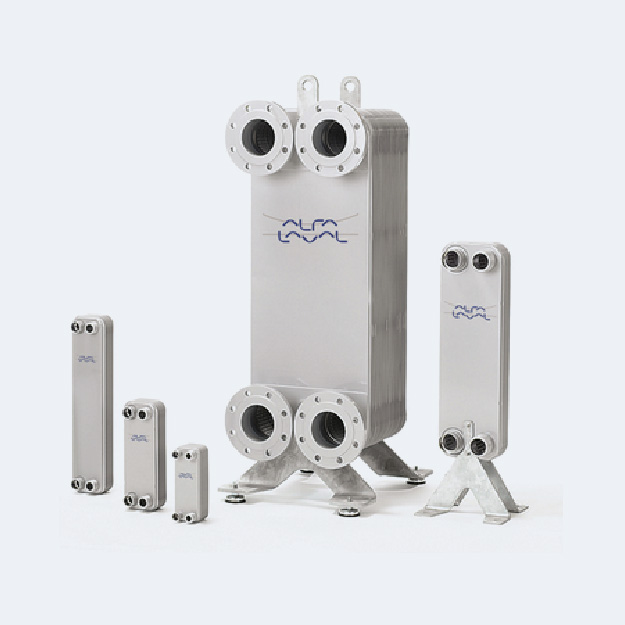
Every system has different requirements for flow rate, temperature and pressure. Heat exchangers should therefore be selected according to their specific operating conditions. Proper equipment selection maximizes heat transfer performance while ensuring stable system operation. It also helps maintain reliable performance throughout the equipment’s service life.
>> Read more: Heat Recovery From Warm Wastewater Solution
Prioritize Equipment with an Optimized Design
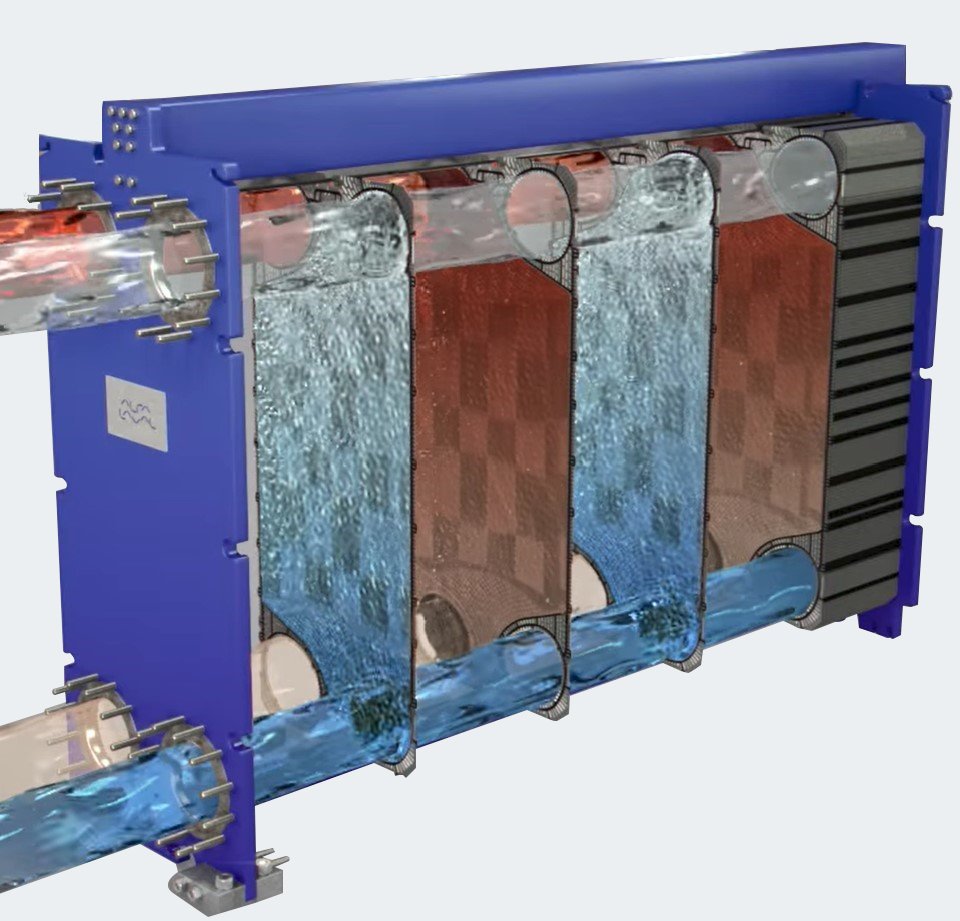
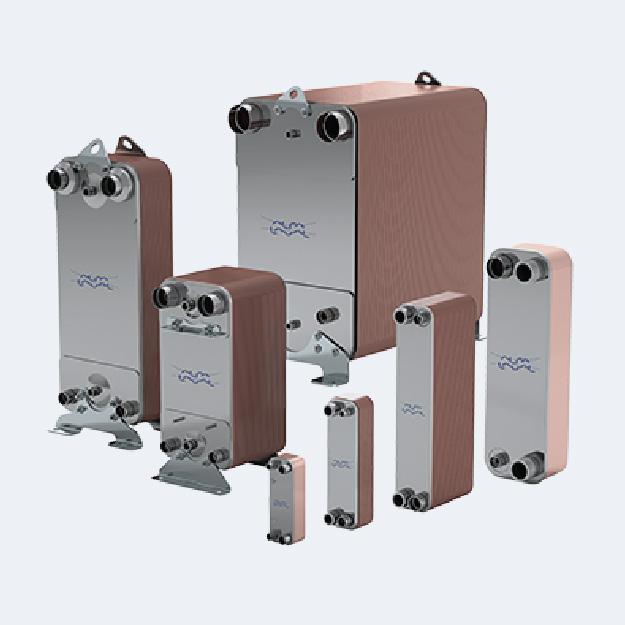
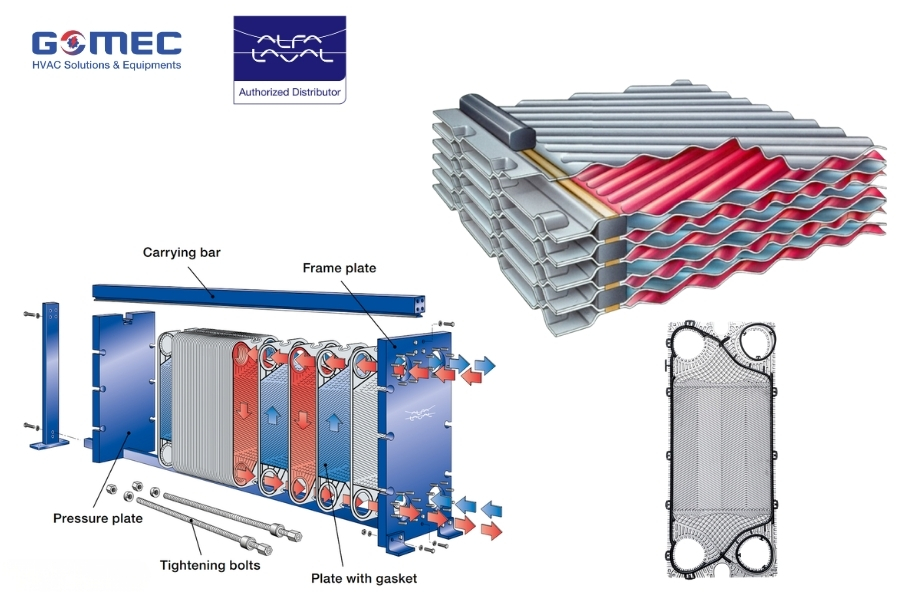
The design of heat transfer plates has a direct impact on thermal performance. Modern heat exchangers are engineered to maximize the contact area between fluids. They also provide more uniform flow distribution throughout the unit. As a result, heat transfer efficiency is improved while energy losses are minimized.
Choose Durable Materials
Industrial environments often involve high temperatures and operating pressures. Heat exchangers must therefore be manufactured from materials with excellent corrosion resistance and mechanical strength. Durable equipment maintains stable thermal performance over a longer period. It also helps reduce repair and replacement costs.
Modern Technologies Enhance Heat Transfer Efficiency
Advances in heat transfer technology have introduced new solutions that improve system performance while reducing energy consumption. These innovations have become a key consideration for businesses investing in new industrial systems.
Optimized Plate Design Improves Fluid Distribution
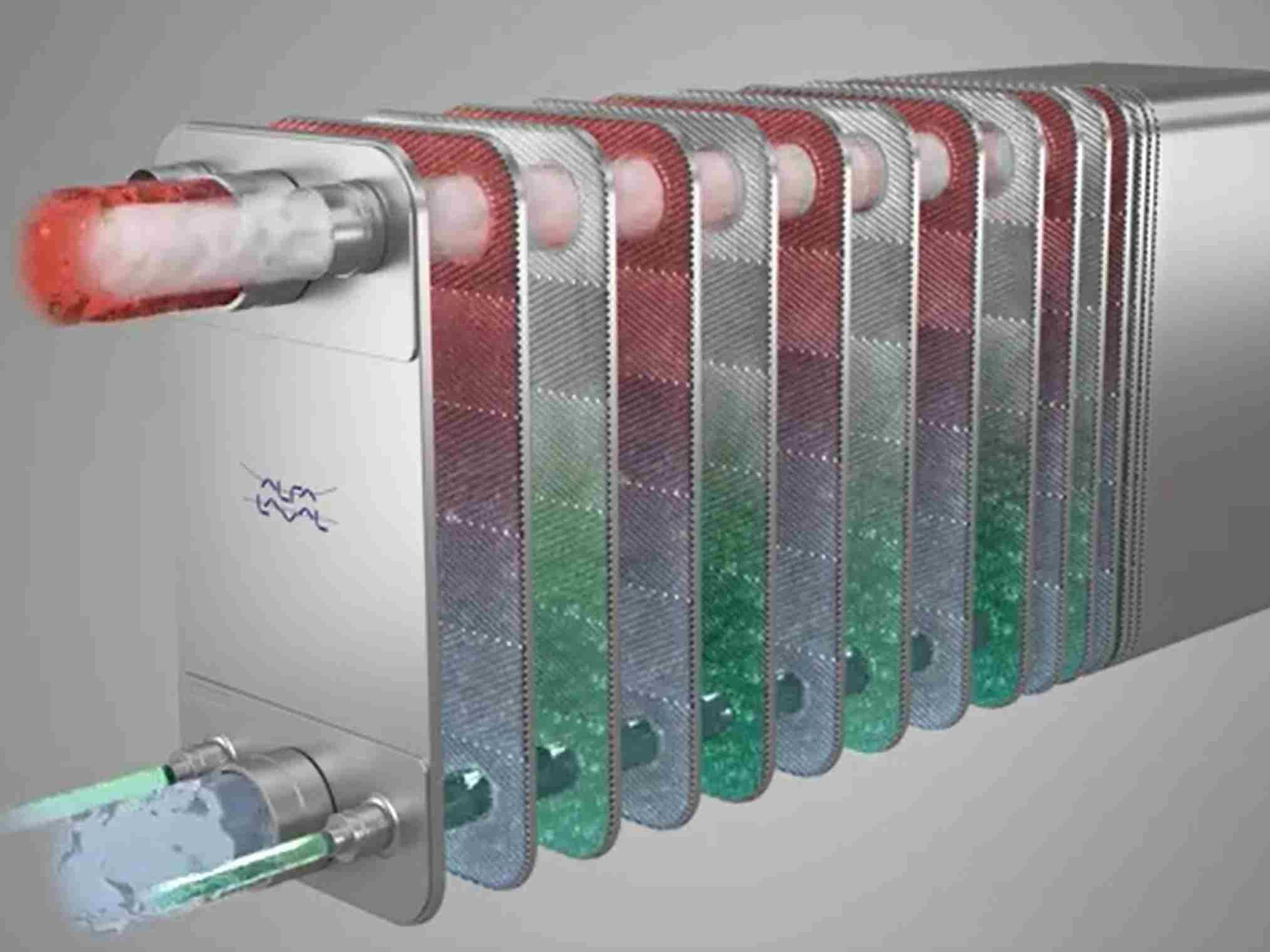
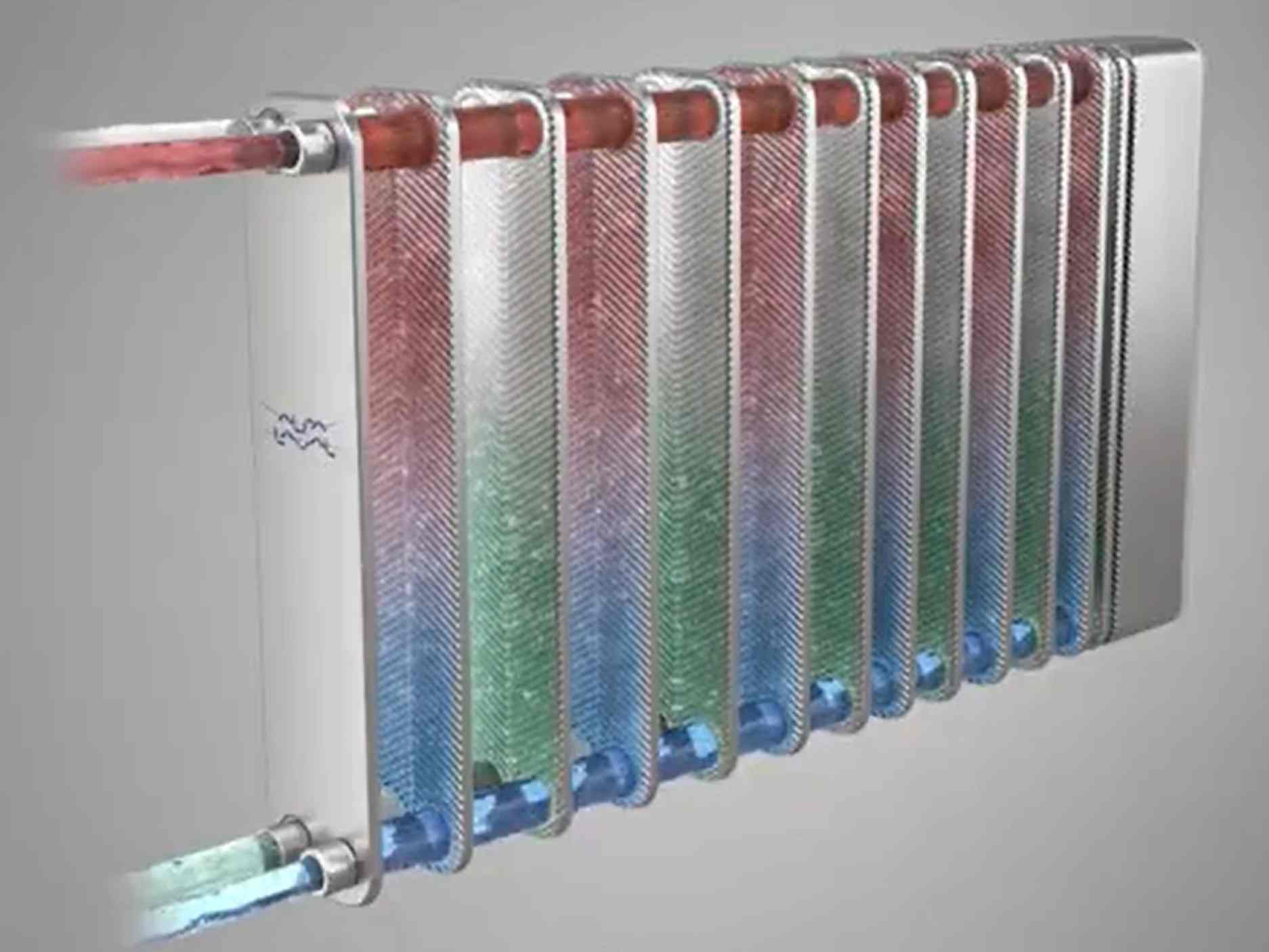
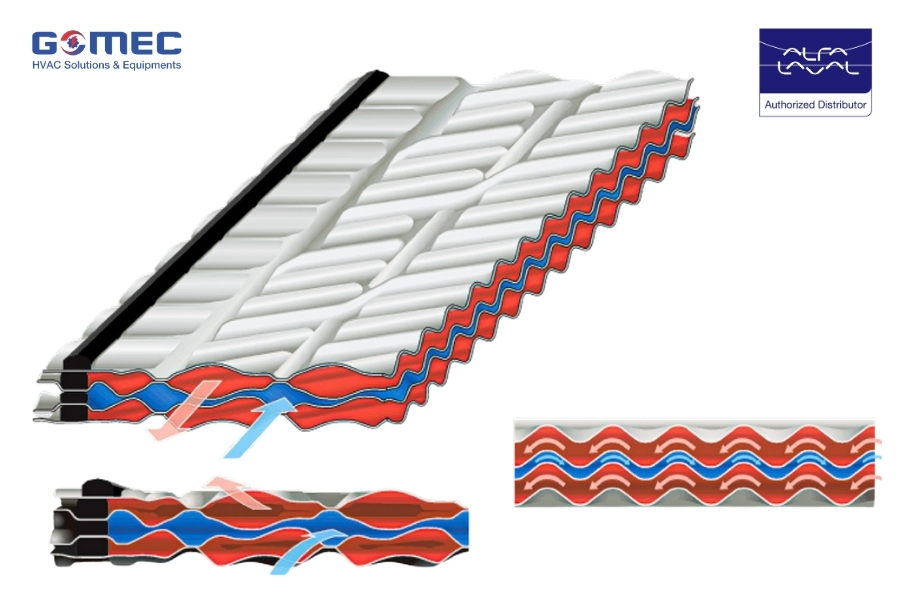
The geometry and pattern of heat transfer plates play an important role in thermal performance. Optimized designs ensure that fluids are distributed evenly across the entire heat transfer surface. This allows heat exchange to occur more efficiently. At the same time, pressure drop is better controlled, contributing to improved overall system performance.
Integrating Energy Recovery Solutions
Many modern systems combine heat exchangers with heat recovery technologies. Waste heat can be captured and reused in other parts of the process. This significantly reduces energy consumption and improves overall system efficiency. Businesses also benefit from lower long-term operating costs.
Real-Time Monitoring with Automated Control Systems
Modern control systems continuously monitor temperature, pressure and flow rate. Real-time operating data allows abnormalities to be detected at an early stage. Operators can then make timely adjustments to maintain optimal performance. This helps ensure stable heat transfer efficiency under varying operating conditions.
Maintaining Heat Transfer Efficiency Delivers Long-Term Benefits
Investing in high-quality equipment and following proper maintenance practices provides lasting value for industrial facilities. The benefits extend beyond energy savings to improved system reliability and operational performance.
Reduce Operating and Maintenance Costs
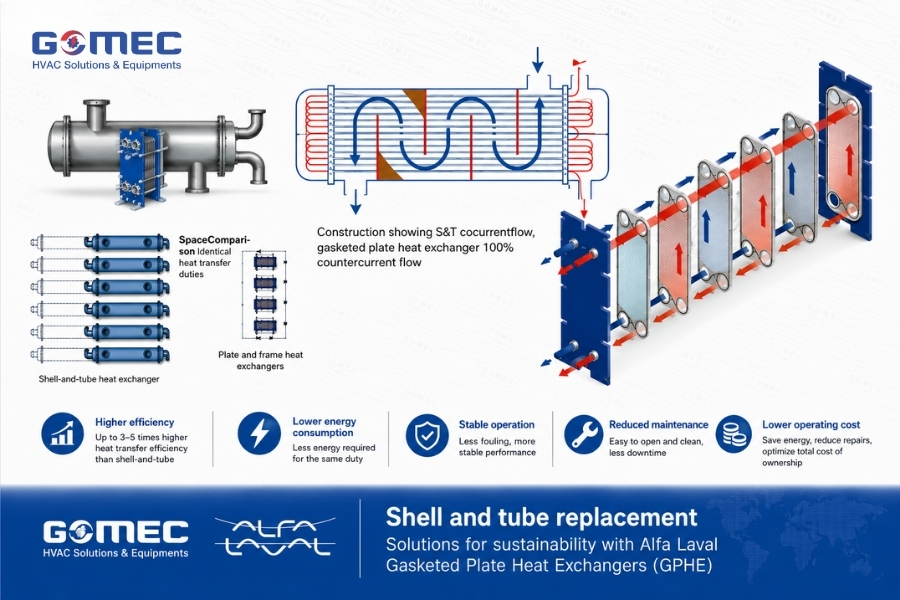
A system with high heat transfer efficiency requires less energy to perform the same task. Equipment also operates under more stable conditions, reducing mechanical stress. This lowers electricity costs while minimizing unexpected maintenance requirements. As a result, businesses achieve lower total operating costs over the long term.
Improve System Reliability
Reliable equipment reduces the risk of unplanned system downtime. This is especially important for manufacturing facilities that operate continuously. Stable heat transfer performance allows systems to maintain their original design capacity. It also helps ensure uninterrupted production.
Support Sustainable Development Goals
Improving energy efficiency has become a priority for many industries. Maintaining stable heat transfer efficiency reduces overall energy consumption and lowers greenhouse gas emissions. It also promotes more efficient use of available resources. These benefits support long-term sustainability strategies and environmental objectives.
>> Read more: Alfa Laval Heat Exchangers: Versatile Applications and Energy Efficiency
Conclusion
Maintaining stable heat transfer efficiency is essential for achieving reliable operation, reducing energy consumption and lowering long-term operating costs in HVAC and industrial systems. Businesses can achieve these goals by selecting the right equipment, performing regular maintenance and adopting advanced heat transfer technologies. With extensive expertise in HVAC and heat transfer solutions, Gomec is proud to be an authorized Alfa Laval partner in Vietnam, providing products and engineering solutions that meet the technical requirements of industrial and MEP projects. Contact Gomec today to receive expert guidance and discover the most suitable solution for maintaining optimal heat transfer efficiency in your system.



Related Post

Heat Recovery From Warm Wastewater Solution

Pressure Interceptor By GPHE

GOMEC accompanies the 5th Congress of the Vietnam Society of Refrigeration and Air Conditioning Engineers (2025–2030)

Heat Recovery Solutions Help Businesses Achieve Sustainable Operations

Key Criteria for Selecting the Right Dunham-Bush Chillers for Your Project

HVAC System Maintenance for Stable Performance and Long-Term Operation